2026 Edition • Live the Magical Kenya Dream
The Maasai Mara National Reserve is not just a safari destination — it is one of the last remaining places on earth where nature still operates without compromise. Located in southwestern Kenya, forming part of the larger Serengeti ecosystem, the Mara has remained ecologically powerful and largely untouched for thousands of years.
Unlike many modern travel destinations that are shaped for comfort and convenience, the Maasai Mara is shaped entirely by nature. Nothing here is artificial. The land, the wildlife, the weather patterns, and even the silence all exist on their own terms. When you first arrive, it feels less like you have entered a park and more like you have stepped into a world that existed long before human structure.
One of the first things people notice in the Maasai Mara is the silence. But it is not empty silence. It is alive. It carries wind across the grasslands, distant calls of animals, and the subtle movement of life happening all around you. There is no traffic noise, no city echo, no artificial interruption — only nature in its purest form.
This silence slowly changes how you perceive time. Minutes feel longer. Movements feel more meaningful. Even something as simple as a grazing antelope suddenly becomes something you observe fully, because nothing here is rushed or hidden.
The Maasai Mara is defined by vast, open savannahs that stretch beyond what the eye can fully grasp. Golden grasslands roll into the horizon, broken only by scattered acacia trees and rocky outcrops known as kopjes. These formations often become resting points for lions, offering them a perfect view of their surroundings.
This openness is what makes the Mara so powerful. Wildlife is not hidden here. Everything exists in plain sight. A herd of zebras moving across the plains can be seen from far away. A lion resting under a tree is visible even from a distance. There is no hiding — only survival, movement, and awareness.
The Maasai Mara is one of the few places where the full cycle of life is visible in real time. It is not staged or controlled. It happens naturally, every day, in front of anyone who is present.
A herd of wildebeest may move calmly across the plains, unaware that predators are observing from a distance. Lions do not rush. They wait, calculate, and conserve energy. Every movement is intentional. Survival here is not random — it is strategy, instinct, and timing.
This balance between predator and prey is not cruelty. It is nature maintaining itself. Every animal plays a role in the ecosystem, and every moment contributes to the survival of the entire system.
Every year, the Maasai Mara becomes the stage for one of the most extraordinary natural events on Earth — the Great Migration. Over a million wildebeest, along with zebras and gazelles, move in a continuous circular journey between Tanzania’s Serengeti and Kenya’s Maasai Mara in search of fresh grazing land.
This movement is not peaceful. It is filled with tension, danger, and uncertainty. The most dramatic moment occurs at the Mara River crossings. Here, animals gather at the riverbank for hours, sometimes even days, hesitating before crossing into unknown danger.
When one animal finally jumps, instinct takes over and the entire herd follows. The river becomes chaotic — crocodiles wait beneath the water, currents push against movement, and survival becomes a matter of speed, courage, and luck.
What makes this moment powerful is not just what happens, but how unpredictable it is. No two crossings are ever the same.
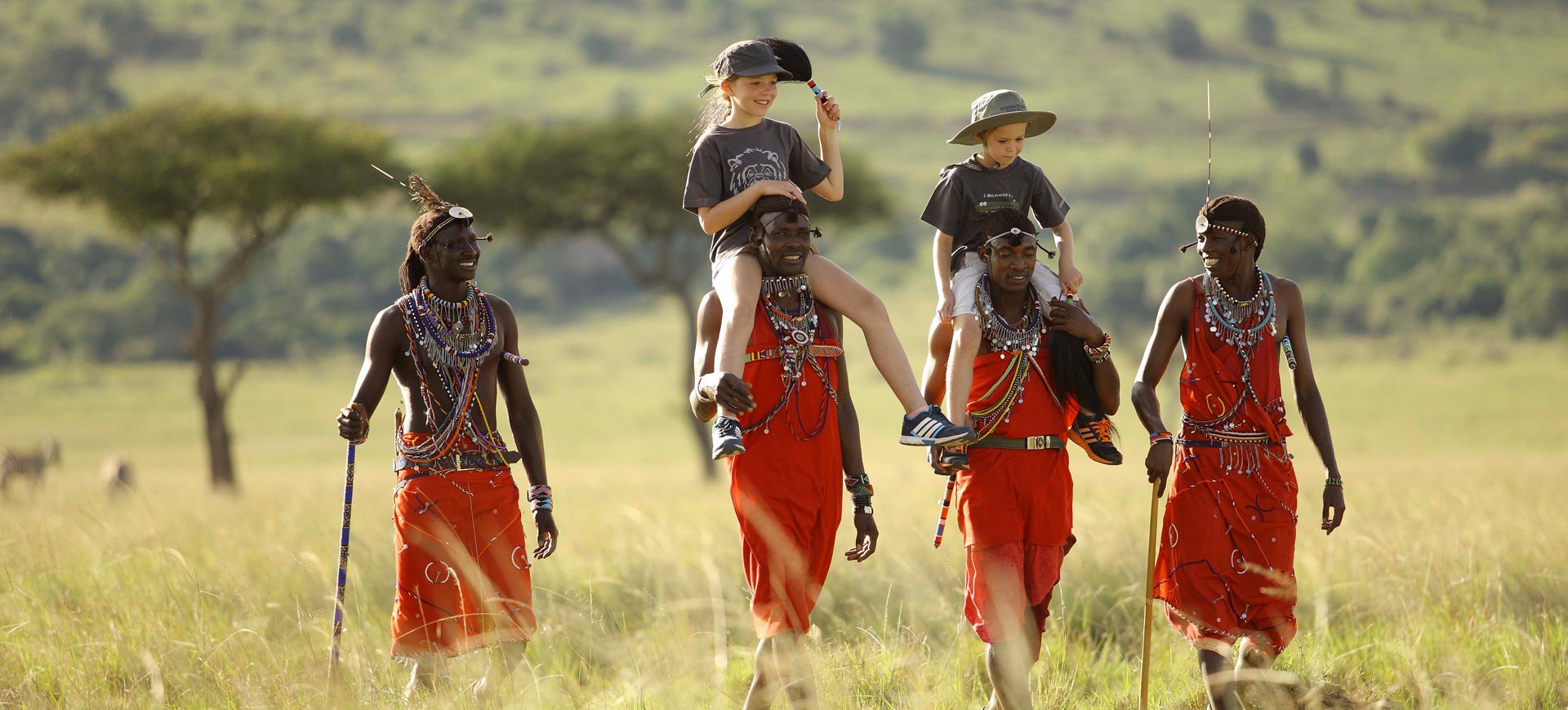
The Maasai Mara is not only defined by wildlife, but also by the Maasai people who have lived in this region for generations. Their presence is deeply connected to the land, not as owners, but as part of the same ecosystem.
The Maasai community is known for its strong cultural identity, traditional clothing, and deep respect for cattle. Livestock is not just economic value — it is cultural wealth and social structure. Their way of life has remained consistent even as the modern world continues to change around them.
What stands out most about the Maasai people is their understanding of coexistence. Wildlife is not seen as separate or distant. It is part of daily life, part of survival, and part of identity.
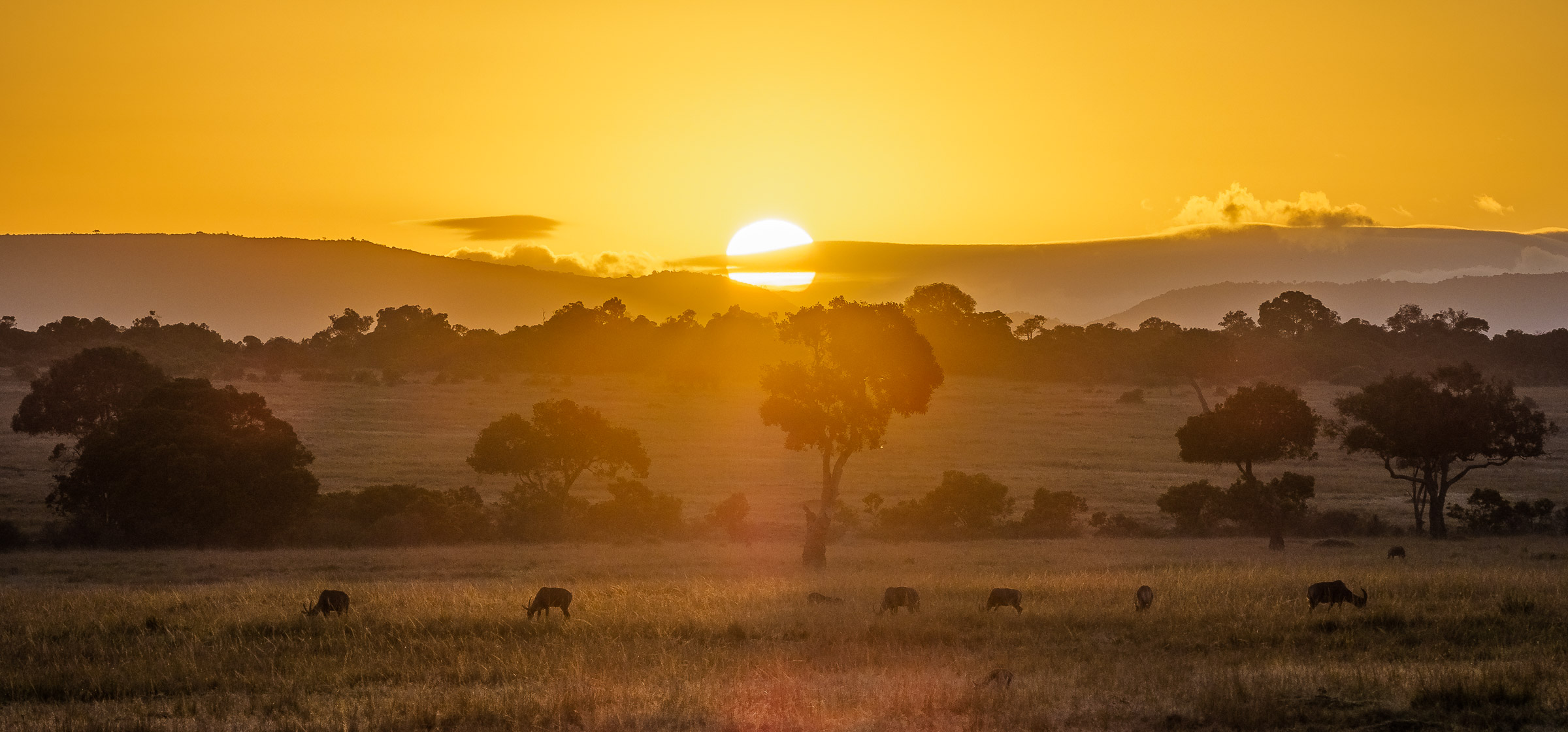
Time in the Maasai Mara feels different. Sunrise is not just morning — it is the beginning of movement across the plains. Animals begin to stir, predators begin to hunt, and the entire landscape becomes active.
Sunset is equally powerful. The light softens across the savannah, shadows stretch longer, and the air becomes cooler. It is during this time that predators become more active, and the wilderness shifts into its evening rhythm.
At night, the sky becomes one of the clearest you will ever see. Without city lights, the stars feel closer and more intense. The Milky Way stretches across the sky in full visibility, creating a sense of scale that is difficult to describe.
Accommodation in the Maasai Mara ranges from luxury lodges to tented camps, but what makes them unique is not just comfort — it is location. Many camps are built inside or near wildlife areas, meaning animals can pass nearby at any time.
At night, it is not unusual to hear hyenas calling in the distance or elephants moving quietly near camp. These sounds are not added for effect — they are part of daily reality in the Mara.
Despite being in the wild, comfort is still carefully maintained. Luxury tents often include private bathrooms, comfortable beds, and dining experiences, allowing guests to experience nature without losing safety or relaxation.
The Maasai Mara is not a place you simply visit — it is a place that changes how you understand nature. It removes the distance between observer and environment. You are no longer looking at wildlife from outside; you are inside it.
It is a place where beauty and danger exist together, where silence is meaningful, and where every moment is real and unfiltered.
Once you experience the Maasai Mara, every other landscape feels different — because here, nature is not presented to you. It simply exists, and you are part of it.
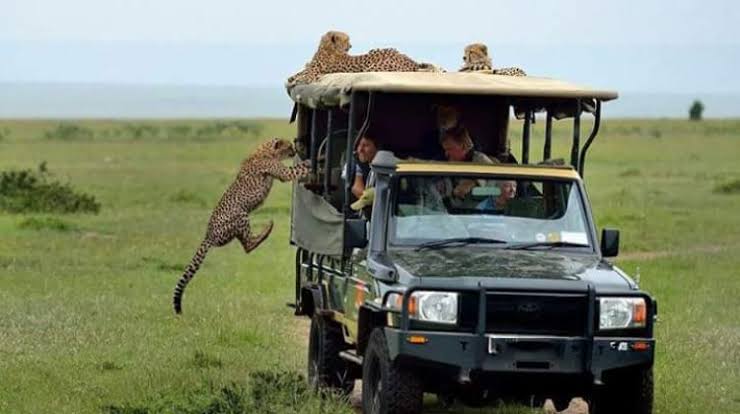
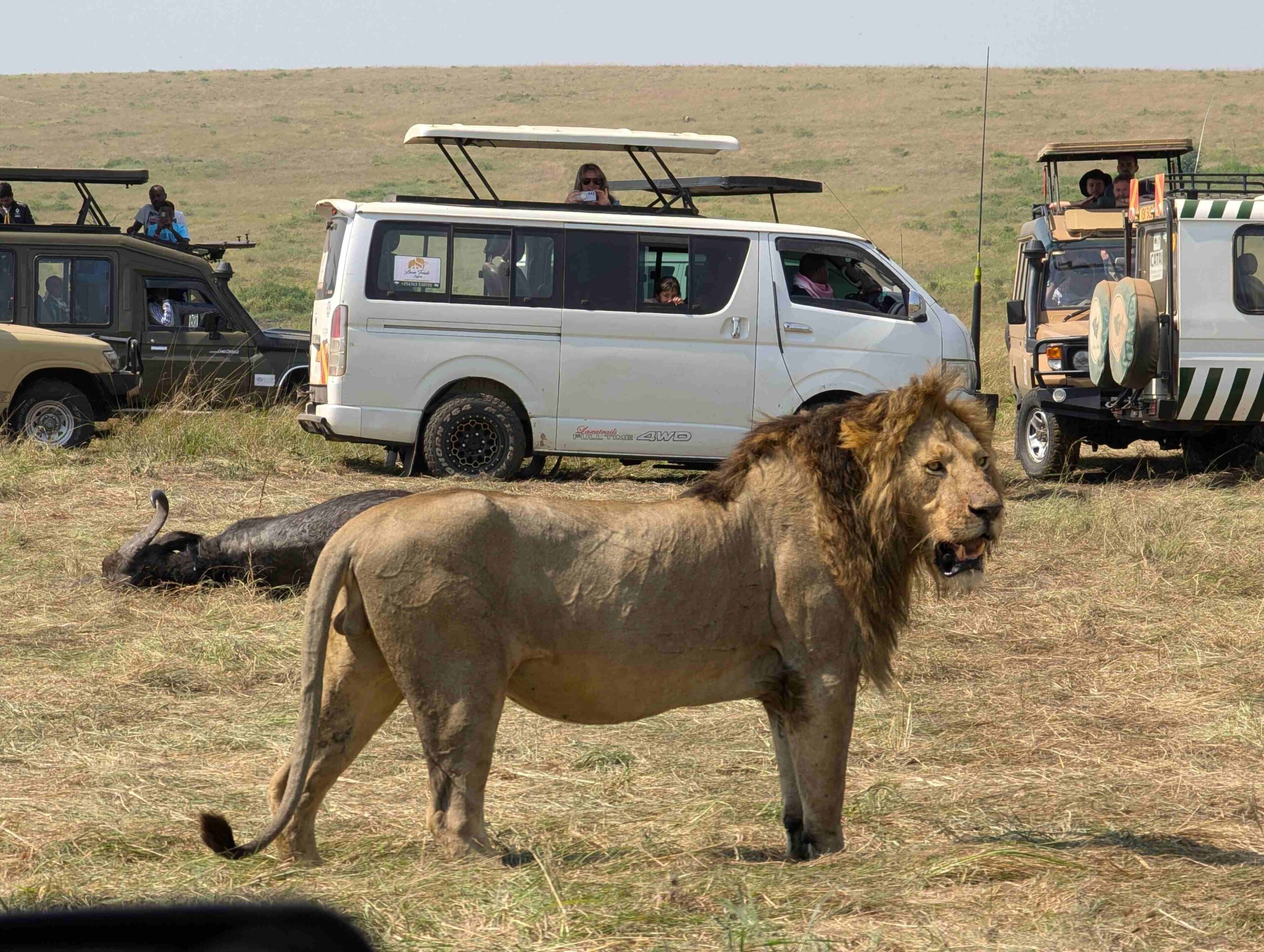
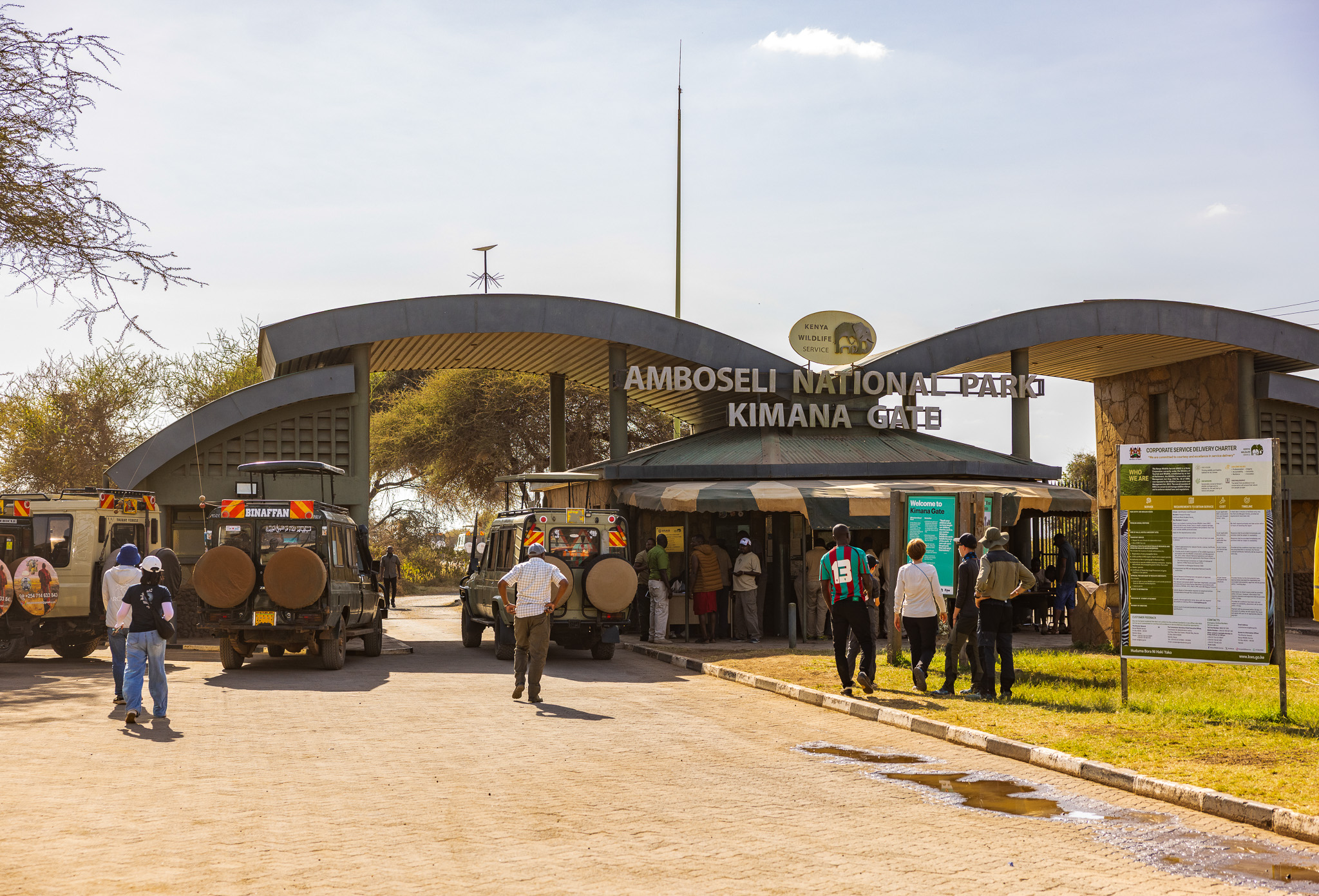
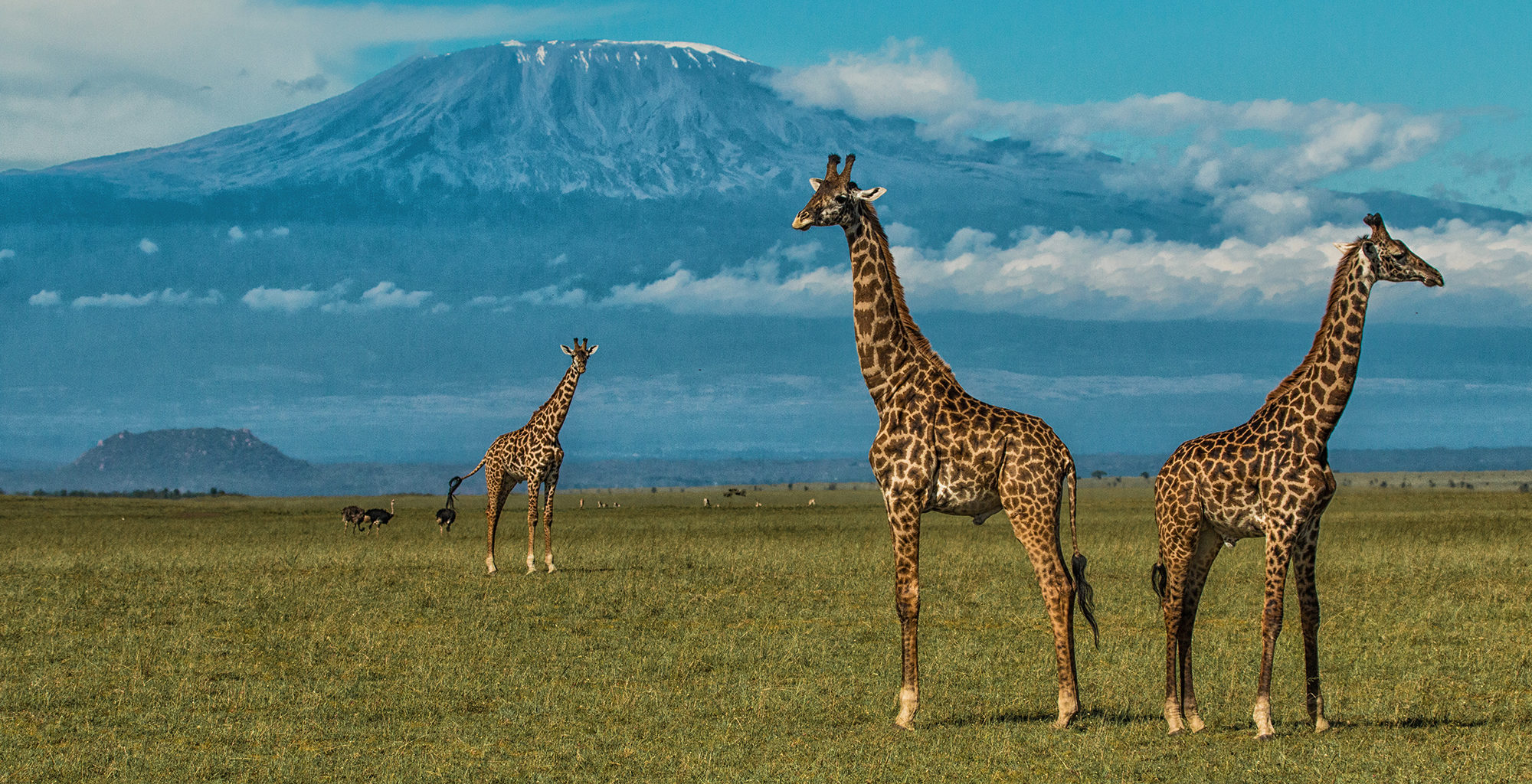
Amboseli is one of Kenya’s most visually iconic safari destinations. Located in southern Kenya near the Tanzania border, it is famous for one unforgettable backdrop — Mount Kilimanjaro. Even though the mountain sits in Tanzania, Amboseli offers the clearest and most dramatic views of its snow-capped peak, especially during sunrise and sunset.
Unlike dense forests or heavily wooded reserves, Amboseli is defined by wide open plains, dusty earth, and shimmering horizons. This openness makes wildlife viewing extremely clear and cinematic. You can often see animals moving across the landscape with Kilimanjaro standing silently in the background like a painted scene.
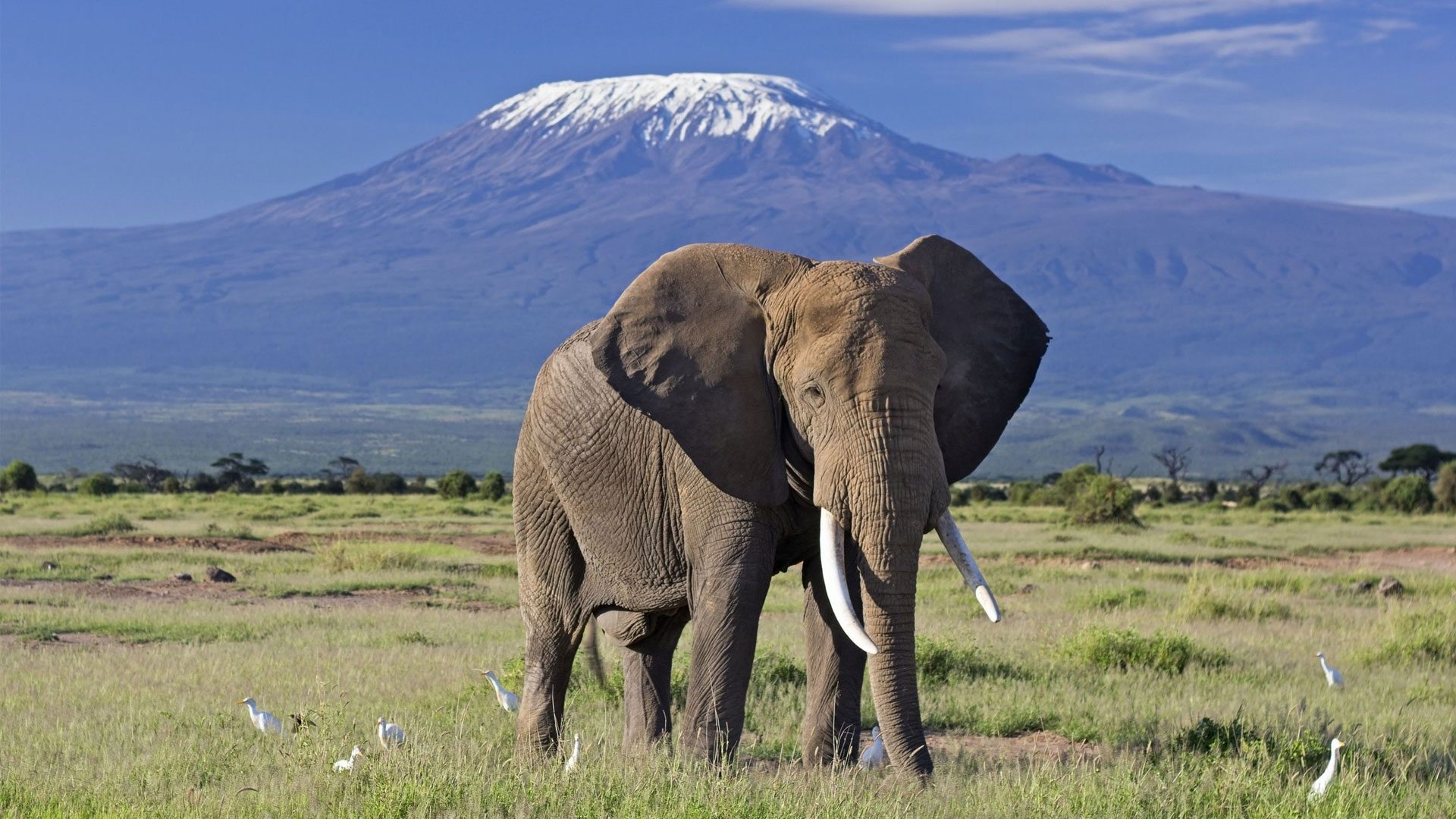
If Maasai Mara is known for the Big Cats, Amboseli is known for elephants. The park is home to some of the largest and most studied elephant herds in Africa. These elephants are calm, intelligent, and deeply familiar with their environment.
What makes them special is how close you can get — not in distance, but in experience. You often see entire families moving together: mothers protecting calves, young males play-fighting, and elders leading the herd with quiet authority.
Watching elephants walk across the plains with Mount Kilimanjaro in the background is one of the most powerful safari scenes in the world. It feels ancient, almost unchanged by time.
Amboseli is shaped by contrast. For much of the year, it is dry and dusty, with pale earth stretching across the plains. But beneath this harsh surface lies water — fed by underground streams from Mount Kilimanjaro.
This hidden water creates swampy green areas in the middle of the park, attracting large numbers of animals. You can drive through dry plains and suddenly find lush wetlands filled with birds, buffaloes, and grazing wildlife.
This constant shift between dry and green is what keeps Amboseli alive and dynamic.
One of the most unforgettable parts of Amboseli is Mount Kilimanjaro itself. Although it is often partially hidden by clouds during the day, early mornings and late evenings often reveal its full snow-covered peak.
It does not feel close, yet it dominates everything. It is silent, still, and permanent — watching over the movement of animals below. Many visitors describe it as the emotional center of the park, even though you are technically in a different country from it.
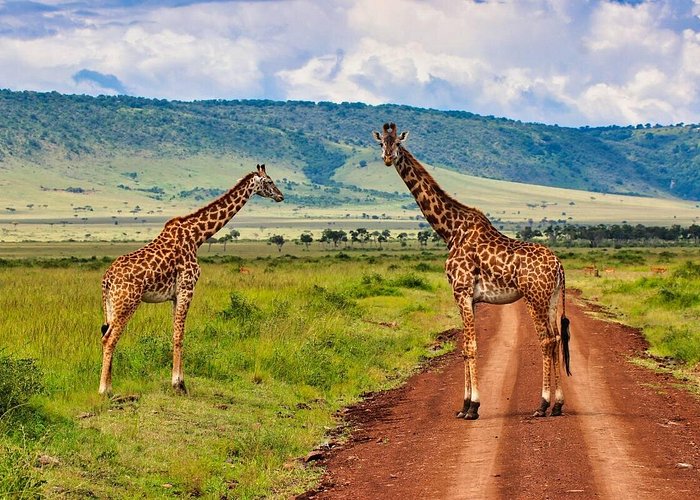
While elephants dominate the landscape, Amboseli is also home to a variety of other wildlife. You can spot lions, cheetahs, hyenas, giraffes, zebras, wildebeest, and many bird species.
However, unlike the dramatic predator-prey intensity of the Maasai Mara, Amboseli feels calmer. Wildlife here is more relaxed, often gathering around water sources and moving slowly across the plains.
This makes Amboseli ideal for photography, especially for capturing clean, uncluttered shots of animals with Kilimanjaro in the background.
Amboseli is also home to the Maasai people, who live around the park and maintain their traditional lifestyle. Their presence adds cultural depth to the region.
You will often see Maasai herders moving cattle across the land, sharing space with wildlife in a carefully balanced coexistence. This connection between people and nature is one of the reasons Amboseli still feels authentic and untouched.
Amboseli can be visited year-round, but the clearest views of Mount Kilimanjaro are usually during early mornings and just after rainfall when the skies are clean.
The dry season offers better wildlife visibility as animals gather around water sources, while the wet season transforms parts of the park into lush green landscapes.
Amboseli is not about intensity or chaos — it is about scale, silence, and perspective. It is where massive elephants walk beneath the shadow of Africa’s highest mountain, and where nature feels both powerful and peaceful at the same time.
If the Maasai Mara shows you the drama of survival, Amboseli shows you the beauty of coexistence.
It is calm, cinematic, and deeply emotional — every moment feels like a perfect postcard.

:contentReference[oaicite:1]{index=1} is one of the largest and oldest protected wildlife areas in the world, split into Tsavo East and Tsavo West. Located in southeastern Kenya, it stretches across vast, rugged landscapes that feel completely different from the greener safari parks of the country.
What makes Tsavo unique is not just its size, but its raw, untouched character. This is a place where the land feels older, harsher, and more independent. Red dust, dry plains, lava flows, and scattered acacia trees define much of the scenery, creating a powerful contrast to Kenya’s more lush reserves.
One of the first things you notice in Tsavo is the red soil. The dust here is rich in iron, giving everything a deep reddish tone — from the ground to the animals that walk across it. Even elephants here are famously known as “red elephants” because they often bathe themselves in the dust for protection and cooling.
This red landscape gives Tsavo a cinematic, almost otherworldly appearance. It is not soft or polished — it is bold, dry, and visually striking in a way that feels powerful rather than pretty.
Unlike more crowded safari destinations, Tsavo often feels empty in the best way possible. You can drive for long distances without seeing another vehicle, only wildlife and open land stretching endlessly in every direction.
This sense of isolation is what makes Tsavo special. It is not designed for tourism comfort — it is designed for nature to exist freely. The silence here is deeper, the distances are wider, and the experience feels more personal.
Tsavo is famous for its large elephant populations. These elephants are often coated in red dust, blending perfectly into the landscape. They move in calm, steady herds across the plains, creating powerful visual moments against the open background.
Unlike more compact parks, elephants in Tsavo often appear in vast numbers moving across huge spaces, giving you a sense of scale that is difficult to experience elsewhere.
Despite its dry appearance, Tsavo is sustained by vital water sources like the Galana River and natural springs in Tsavo West. These water points attract wildlife and create small pockets of green life within the dry environment.
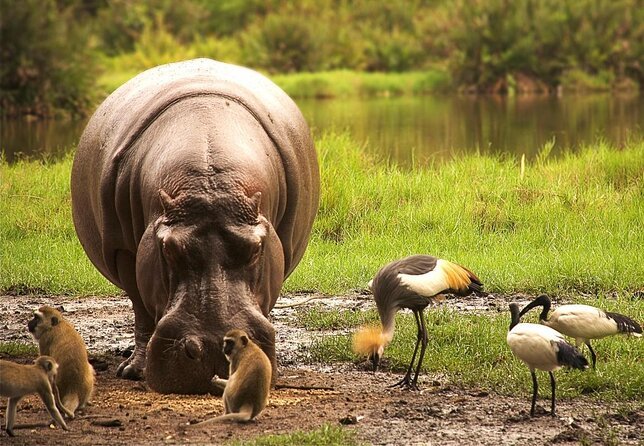
At these points, you can find crocodiles, hippos, buffaloes, and a wide range of birds. The contrast between dry land and water zones creates dynamic ecosystems that constantly shift depending on the season.
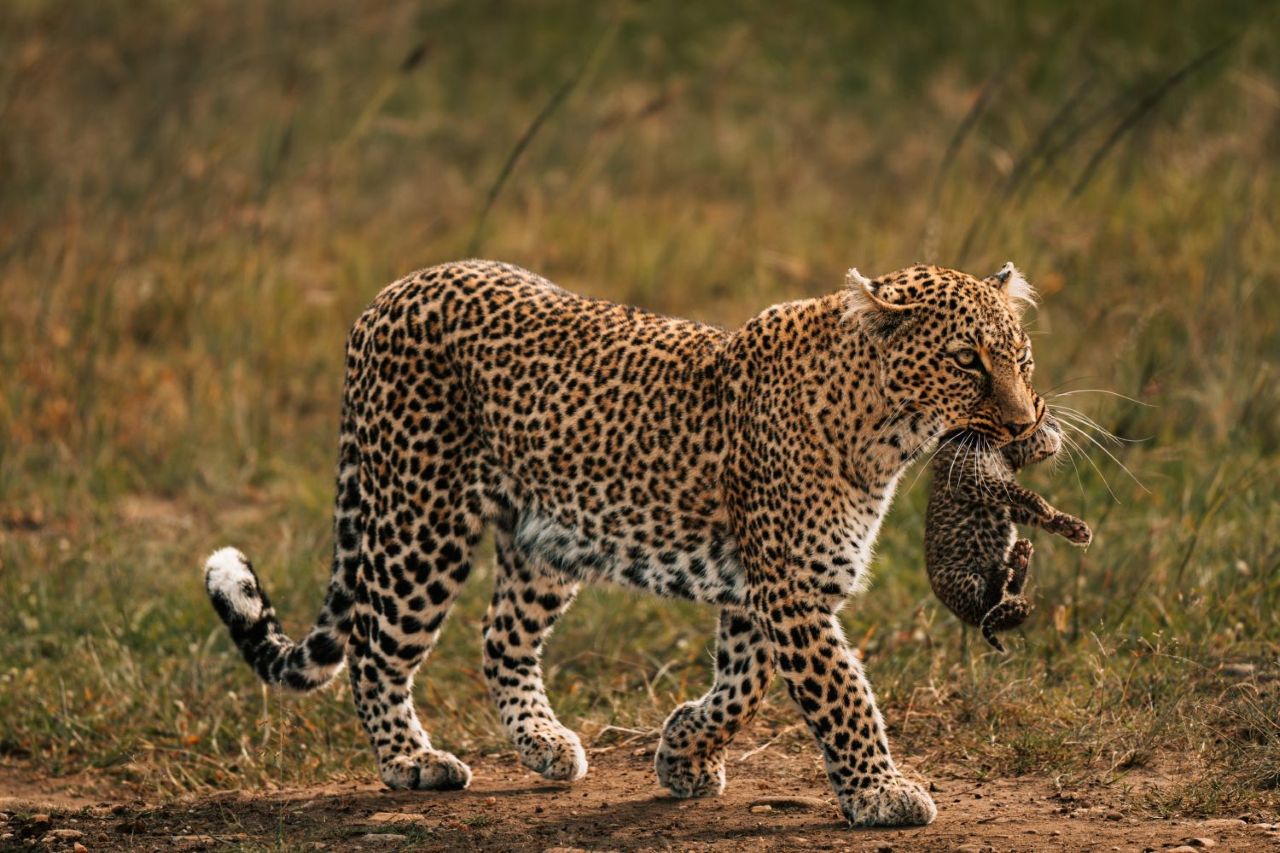
:contentReference[oaicite:2]{index=2} is home to a wide variety of wildlife including lions, leopards, cheetahs, elephants, giraffes, zebras, and numerous antelope species.
The park is also known for its legendary “man-eating lions” from historical accounts during the railway construction era, which adds a layer of historical mystery to the region. Today, lions still roam the park, but the focus is more on conservation and coexistence.
Tsavo East is more open, flat, and dry — famous for its endless plains and large herds of elephants. Tsavo West, on the other hand, is more dramatic, with volcanic landscapes, hills, springs, and richer vegetation.
This contrast makes Tsavo feel like two different worlds within one ecosystem. One side is wide and raw, the other is rugged and scenic.
What sets Tsavo apart is its emotional tone. It is not polished like a luxury resort park. It feels real, unfiltered, and slightly wild in a way that reminds you how nature existed before human control.
There is a sense of honesty in Tsavo — the land is not trying to impress you. It simply exists. And that is what makes it powerful.
:contentReference[oaicite:3]{index=3} is not about convenience or curated safari experiences. It is about scale, silence, and raw African wilderness.
If Maasai Mara is drama, and Amboseli is beauty and balance, then Tsavo is raw earth — strong, silent, and deeply natural.
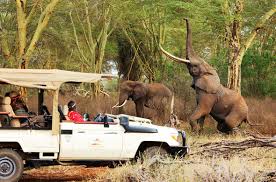
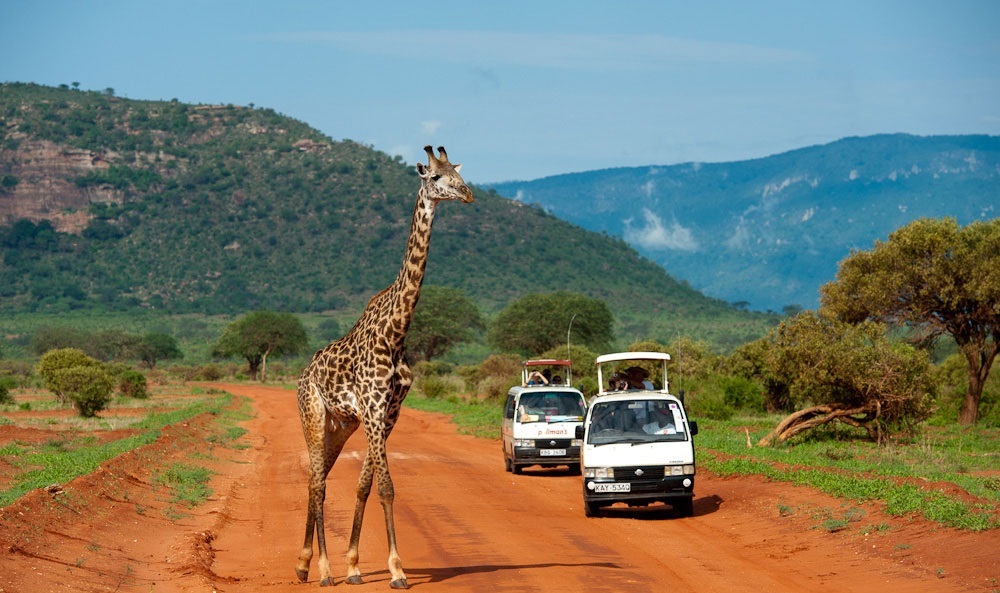

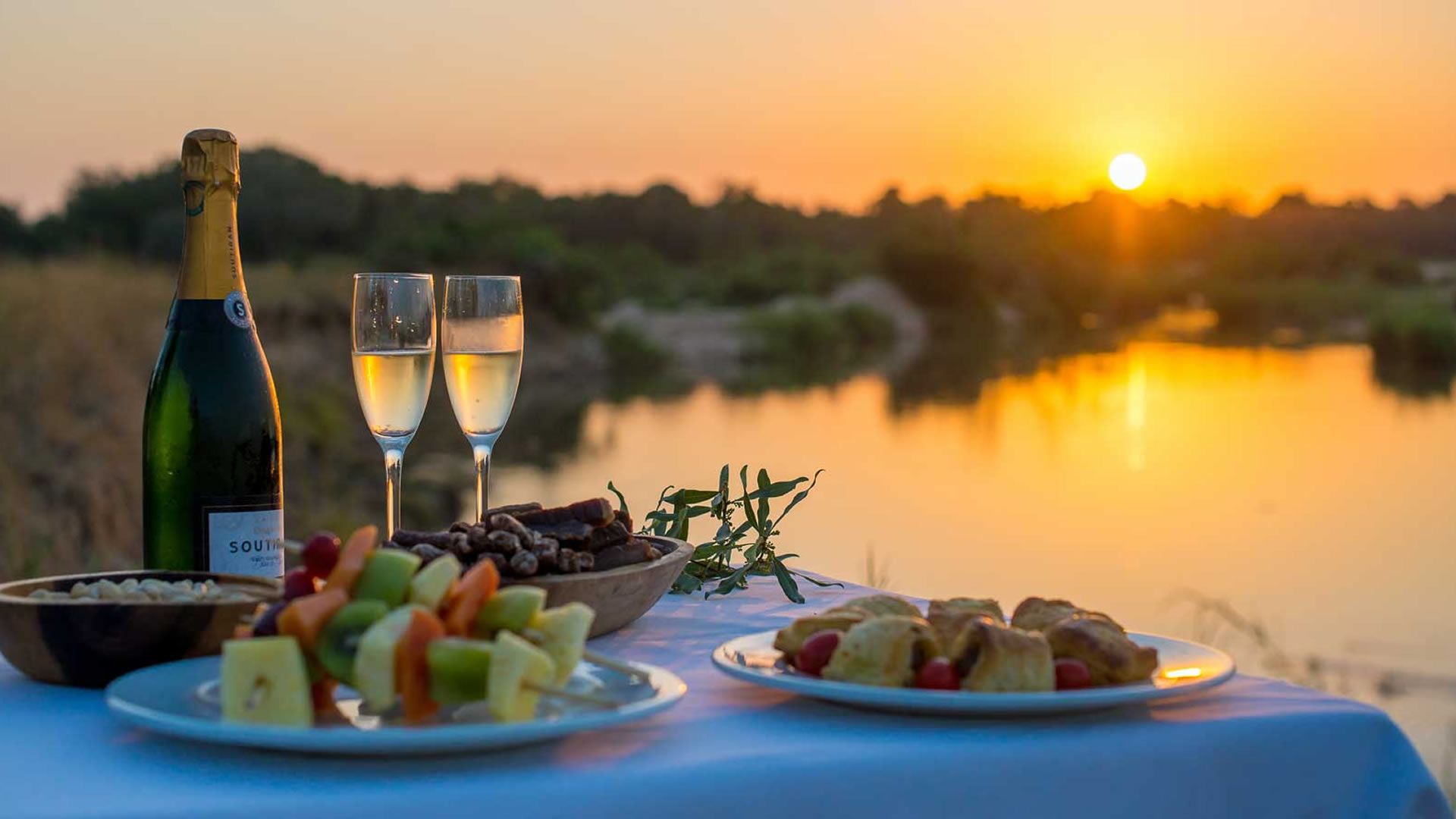
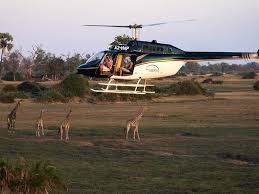
Modern safaris in Kenya have evolved into world-class luxury experiences, where comfort, exclusivity, and adventure blend seamlessly with the raw beauty of the wild.
Guests no longer just “visit” the safari — they are immersed in it, waking up to the sounds of nature while enjoying five-star comfort in the heart of the wilderness.
A safari in Kenya is no longer just a journey — it is a living story of nature, luxury, and adventure that you become part of the moment you arrive.